
Building an Indoor Garden on a Shoestring Budget
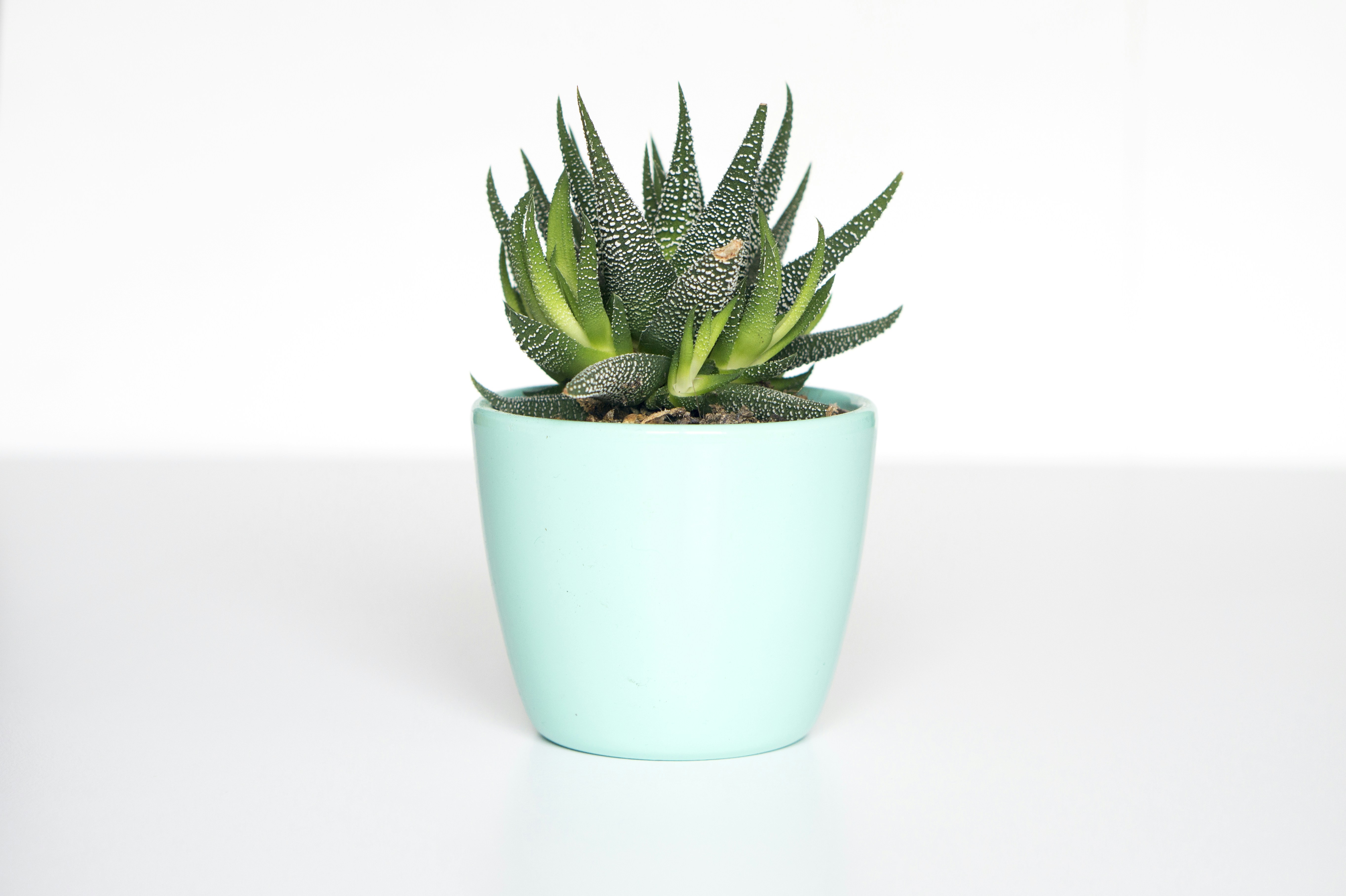
Building an Indoor Garden on a Shoestring Budget
You do not need a large house, expensive equipment, or a big gardening budget to enjoy fresh plants indoors. With a little creativity, you can turn a windowsill, shelf, balcony corner, or unused table into a small indoor garden.
An indoor garden can make your home feel fresher and more welcoming while giving you the satisfaction of growing something yourself. The best part is that you can start with items you already have instead of spending a lot of money on fancy planters and gardening accessories.
Here is how to build an indoor garden on a shoestring budget.
1. Start With the Space You Already Have
Before buying anything, look around your home.
You might have an empty windowsill, kitchen counter, bookshelf, desk, or small corner that receives enough natural light. You do not need a dedicated gardening room.
A sunny window can be especially useful because many indoor plants need several hours of light each day.
If you have limited space, consider:
-
Windowsills
-
Small shelves
-
Hanging containers
-
Wall-mounted planters
-
Kitchen counters
-
Small tables
-
Tiered shelves
Start small rather than trying to fill your entire home with plants.
2. Choose Affordable Plants
One of the easiest ways to save money is to choose plants that are inexpensive and relatively easy to grow.
Herbs are a great starting point. Depending on your growing conditions, you could consider plants such as:
-
Mint
-
Basil
-
Parsley
-
Coriander
-
Chives
-
Green onions
You can also consider easy-care houseplants such as pothos, spider plants, or some varieties of succulents.
Before buying a plant, check whether its light, water, and temperature requirements match your home. A cheap plant is not really a bargain if it struggles in your environment.
3. Grow From Seeds When Practical
Buying mature plants can be convenient, but seeds are often a cheaper way to grow multiple plants.
A small packet of seeds can potentially provide many plants, making it useful when you want to expand your garden gradually.
For beginners, choose plants that are suitable for indoor growing and follow the instructions on the seed packet.
You can start seeds in small containers and move healthy seedlings into larger pots as they grow.
This approach also lets you learn about gardening without spending much money.
4. Reuse Household Containers
You do not necessarily need expensive decorative planters.
Look around your home for suitable containers that can be reused. Depending on the plant, possibilities may include:
-
Clean food containers
-
Small buckets
-
Old cups
-
Glass jars
-
Unused bowls
-
Small storage containers
-
Recycled plastic pots
The most important consideration is drainage. Plants growing in containers generally need a way for excess water to escape.
If you reuse a container, make sure it is clean and appropriate for the plant you are growing. Avoid containers that previously held harmful chemicals or substances.
You can place a simple tray underneath containers to protect furniture from water.
5. Make Your Own Plant Labels
Plant labels are useful when you are growing several varieties, but you do not need to buy special markers.
You can make simple labels from materials such as:
-
Used popsicle sticks
-
Cardboard
-
Clean plastic strips
-
Small pieces of leftover packaging
Write the plant name on the label and place it beside the container.
This small trick can make your garden look organized while costing almost nothing.
6. Use Natural Light Before Buying Grow Lights
Lighting can become one of the biggest expenses in an indoor garden, so take advantage of natural sunlight first.
Observe your home throughout the day and identify areas that receive good light.
Move plants closer to suitable windows when necessary, but remember that different plants have different lighting needs. Some prefer brighter light, while others can tolerate lower-light conditions.
If natural light is insufficient for the plants you choose, you can research affordable grow-light options later.
There is no need to buy expensive equipment before you know that you actually need it.
7. Make Your Own Simple Plant Shelf
A dedicated plant stand can be attractive, but it is not essential.
You can create a simple arrangement using shelves you already own. A small bookcase, sturdy table, or unused shelving unit may work well if it can safely support the plants.
Arrange plants according to their light requirements.
For example, plants needing more light can be positioned closer to the window, while plants that tolerate less light can occupy other spaces.
Always make sure the furniture is stable and protected from water.
8. Save Money on Soil
Good growing material is important, but buying more than you need can waste money.
Start by determining how many plants you actually plan to grow. Buying a large quantity of soil for a few small containers may not be economical.
Look for an affordable potting mix suitable for your plants rather than automatically choosing the most expensive option.
Different plants have different requirements, so avoid assuming that one type of soil is perfect for everything.
For a small beginner garden, purchasing only what you need can keep your initial costs low.
9. Propagate Plants Instead of Buying More
Plant propagation can be one of the best ways to expand an indoor garden on a small budget.
Some plants can produce new plants from cuttings, divisions, or other propagation methods.
For example, certain easy-growing houseplants can be propagated from healthy cuttings.
Instead of immediately buying another mature plant, learn whether your existing plant can be propagated.
This can turn one plant into several over time, although success depends on the plant species and growing conditions.
10. Avoid Overwatering
Overwatering is a common mistake among new indoor gardeners.
It can damage roots and create problems for plants, while constantly replacing unhealthy plants can become expensive.
Do not water automatically just because it is a particular day of the week. Check the plant and its growing conditions first.
The right watering routine depends on factors such as:
-
Plant type
-
Container size
-
Soil or growing medium
-
Temperature
-
Humidity
-
Amount of sunlight
Learning your plants' needs is better than following a one-size-fits-all schedule.
11. Decorate Without Spending Much
Your indoor garden does not have to look expensive.
You can create a coordinated appearance by grouping containers together or using simple DIY decorations.
For example, you could:
-
Paint suitable old containers
-
Use matching recycled containers
-
Create handmade plant labels
-
Arrange plants at different heights
-
Use an old tray as a plant display
-
Reuse decorative baskets as outer containers
The goal is not to make every plant look perfect. A simple, organized arrangement can look attractive without a large decorating budget.
12. Create a Simple Gardening Budget
Even a shoestring garden benefits from a basic budget.
Make a list of what you already have before shopping.
For example:
Already have:
Containers, shelves, scissors, labels, trays
Need to buy:
Seeds or plants, suitable potting mix, and anything else genuinely necessary
Set a spending limit and stick to it.
Avoid buying every gardening gadget you see. Many products are convenient, but convenience is not always necessary for a small indoor garden.
13. Expand Slowly
One of the biggest mistakes beginners make is starting with too many plants.
A better strategy is to begin with two or three plants.
Learn how much light they need, how often they require water, and how quickly they grow.
Once you become comfortable caring for them, you can gradually add more.
This approach protects both your budget and your time.
Common Mistakes to Avoid
Building an inexpensive indoor garden does not mean ignoring basic plant care.
Avoid these common mistakes:
-
Buying plants without checking their light requirements
-
Choosing containers without adequate drainage
-
Watering too frequently
-
Buying unnecessary gardening gadgets
-
Starting with too many plants
-
Spending heavily on decorative pots
-
Ignoring pests or signs of plant stress
-
Placing plants where they can easily be knocked over
A little research before buying can save you money later.
Final Thoughts
Building an indoor garden on a shoestring budget is mostly about being creative rather than spending more money.
Use the space you already have, choose beginner-friendly plants, reuse suitable containers, grow from seeds when practical, take advantage of natural light, and expand gradually.
You do not need a collection of expensive gardening tools to get started. A few carefully chosen plants and consistent basic care can be enough to create a small, enjoyable indoor garden.
The smartest approach is simple: start small, spend carefully, learn as you grow, and let your garden expand naturally over time.